How to – Stunning Scenery Photography Guide
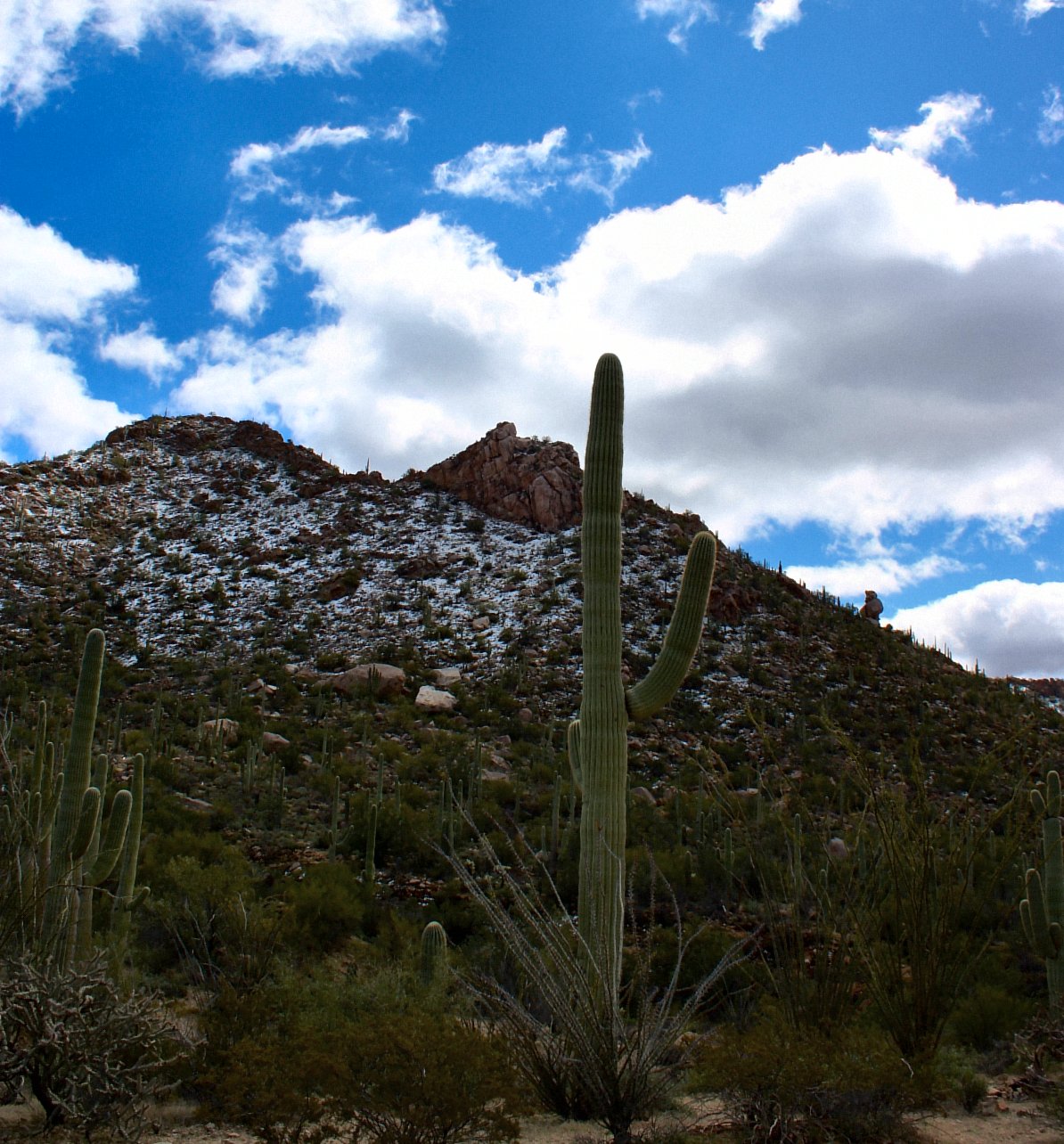

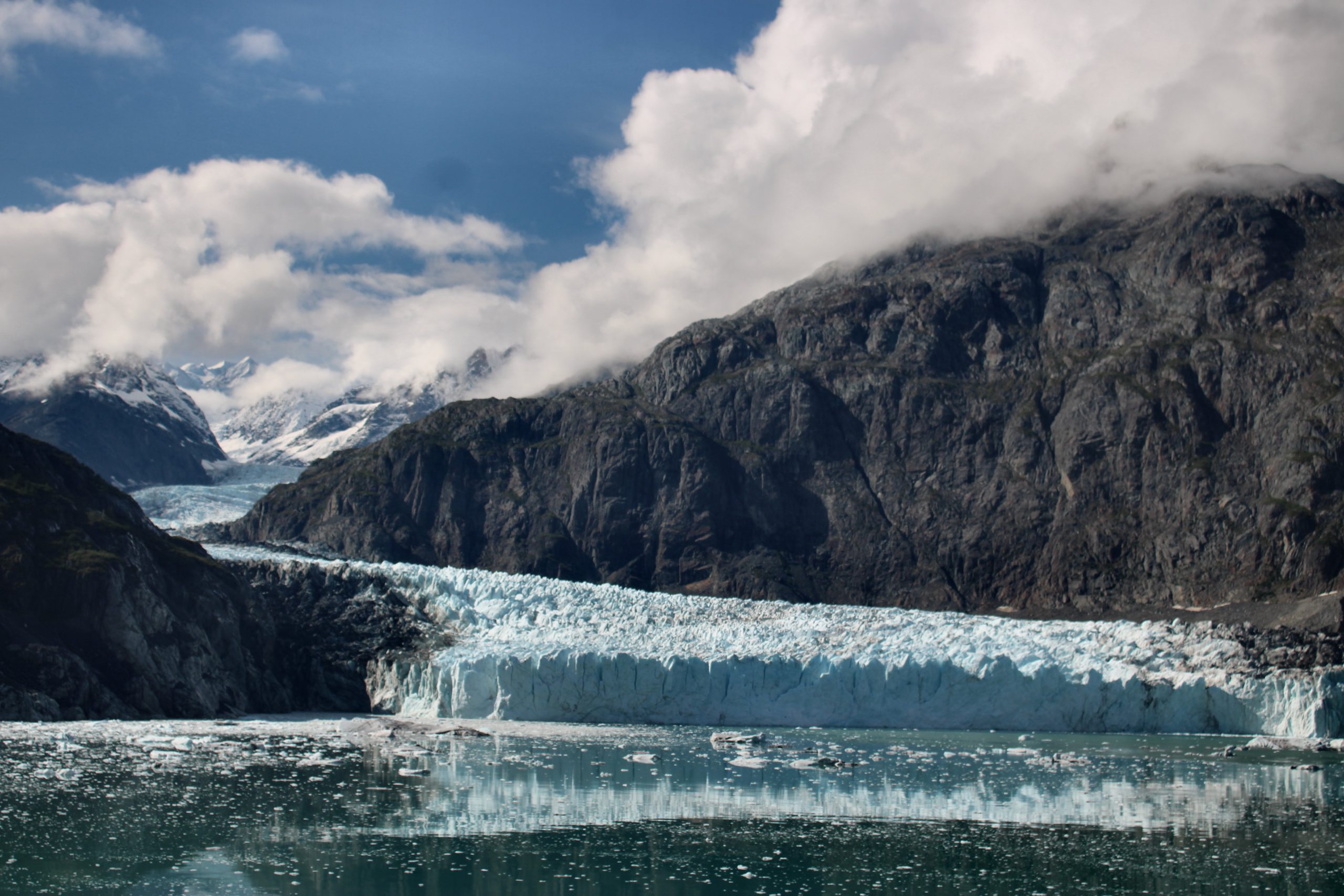
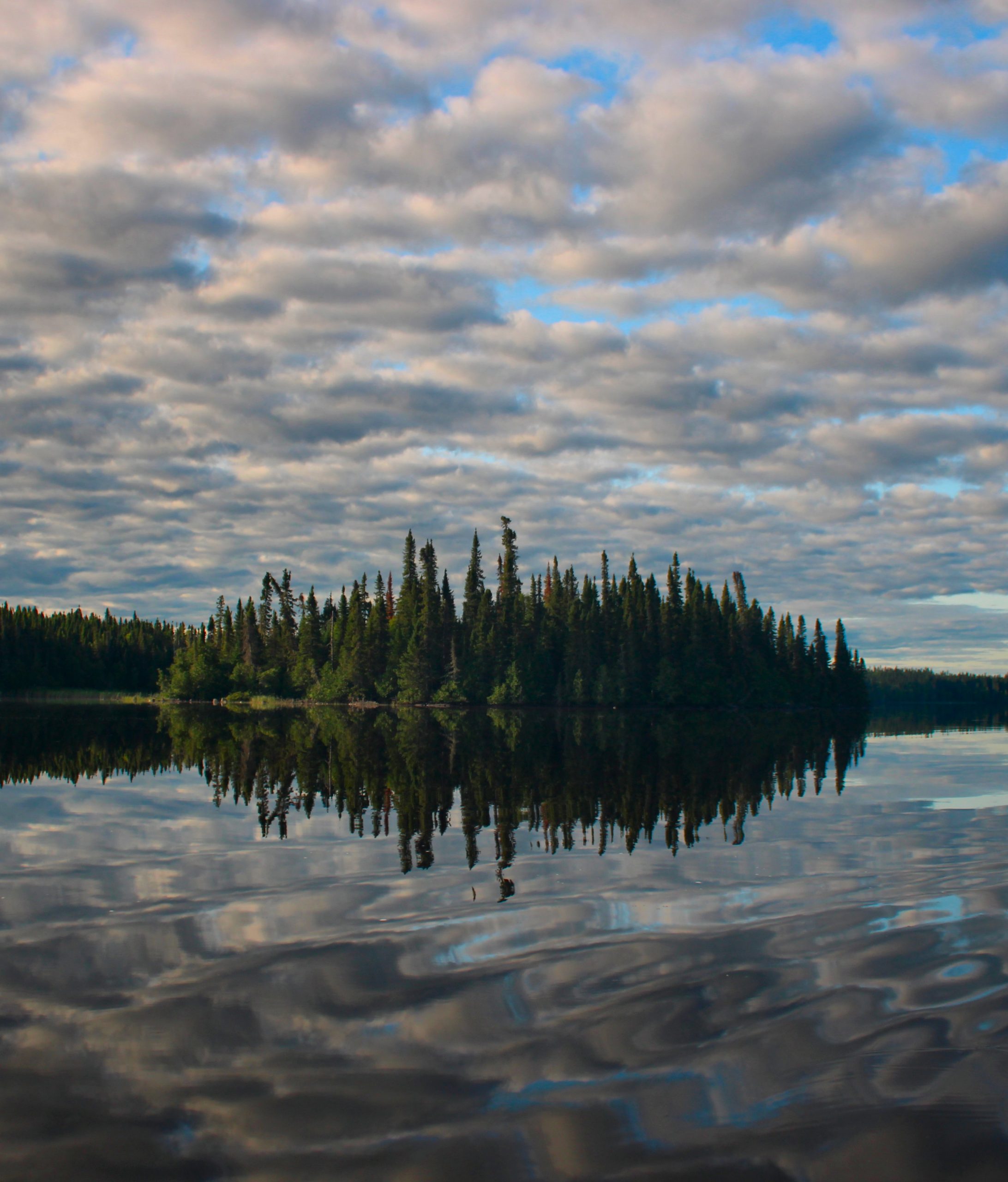
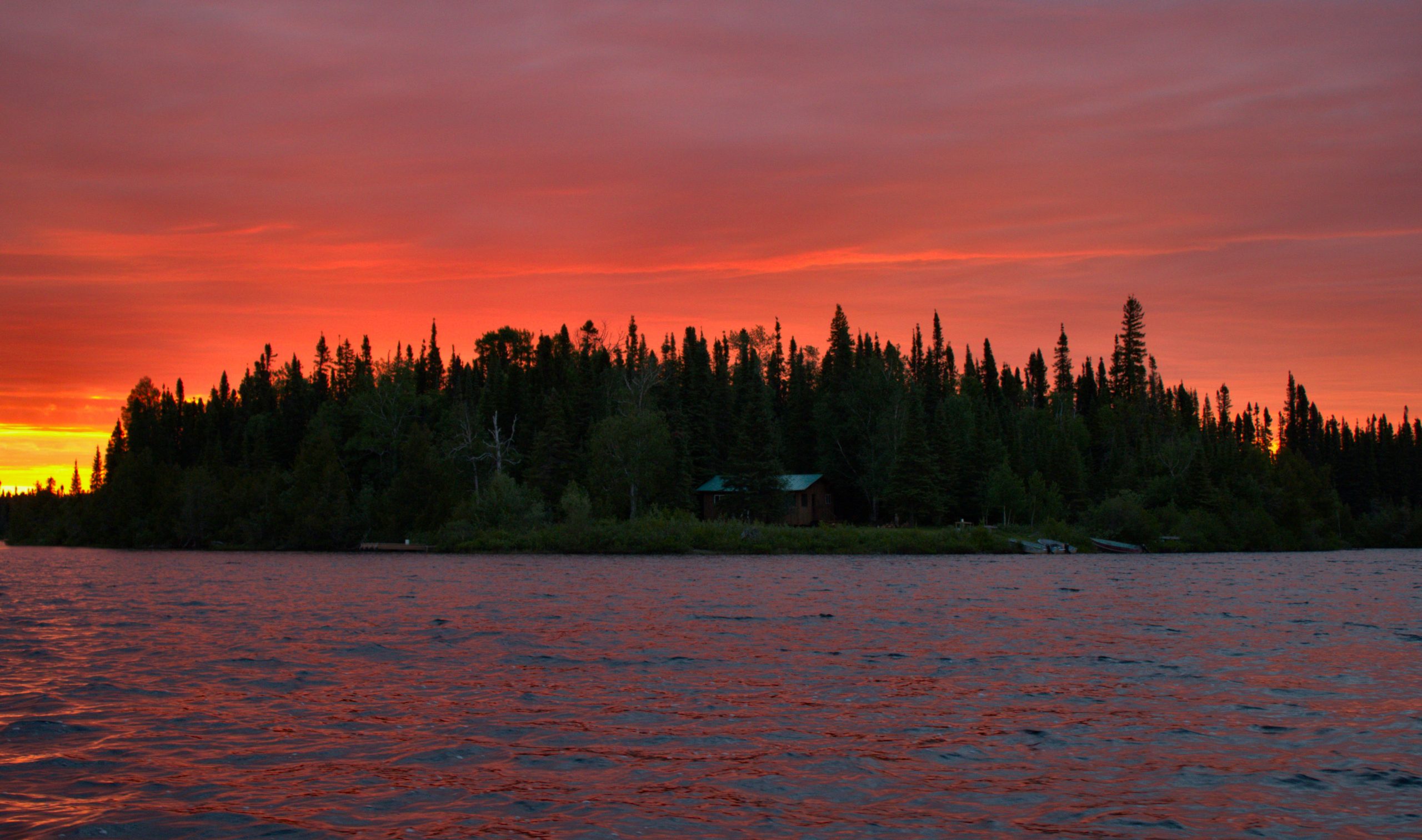
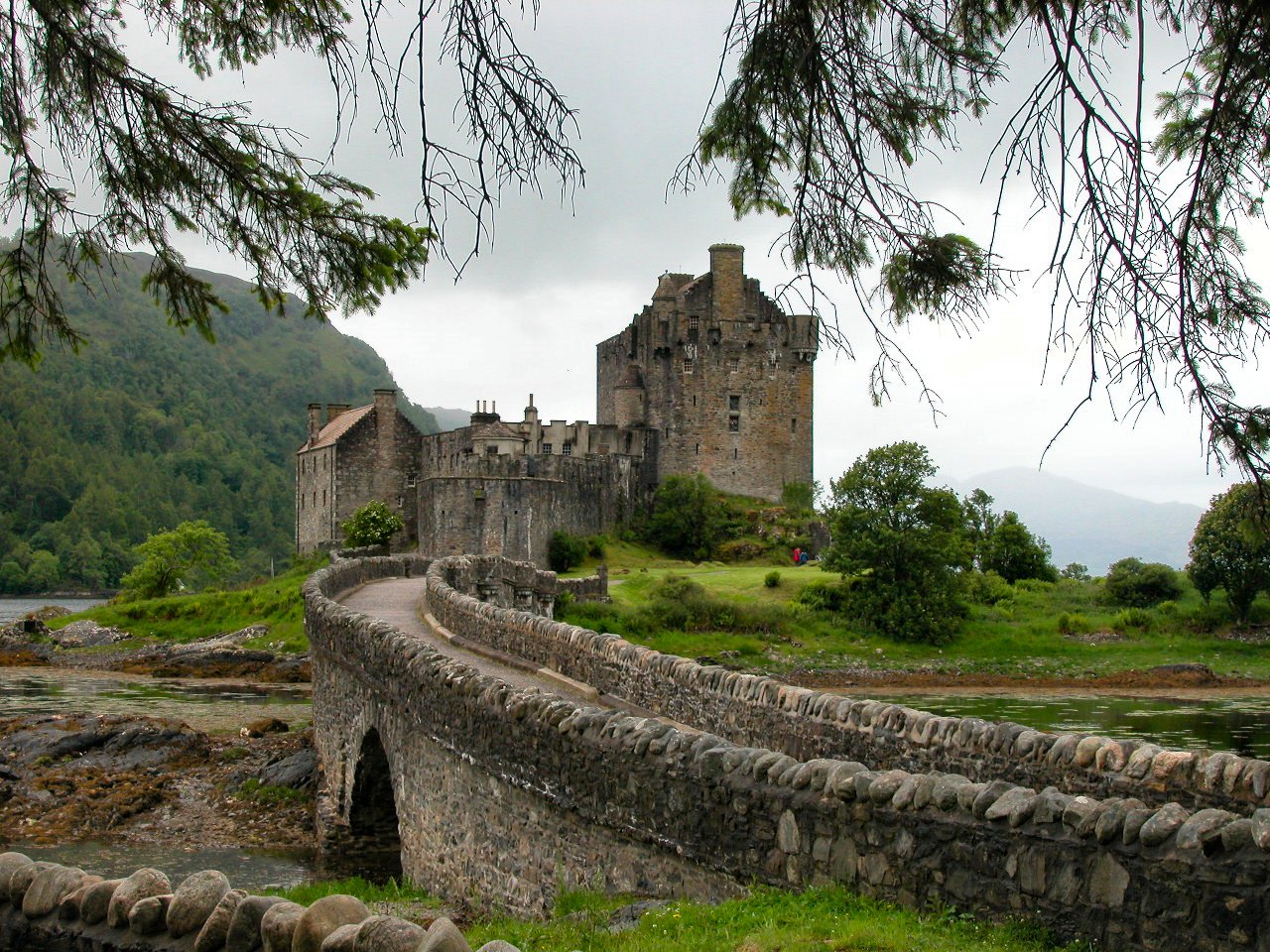
all scenery photos in this article were taken by the author and are free for you to use for legal purposes as you wish. (a tagline giving credit to wildoutpost.com would certainly be appreciated)

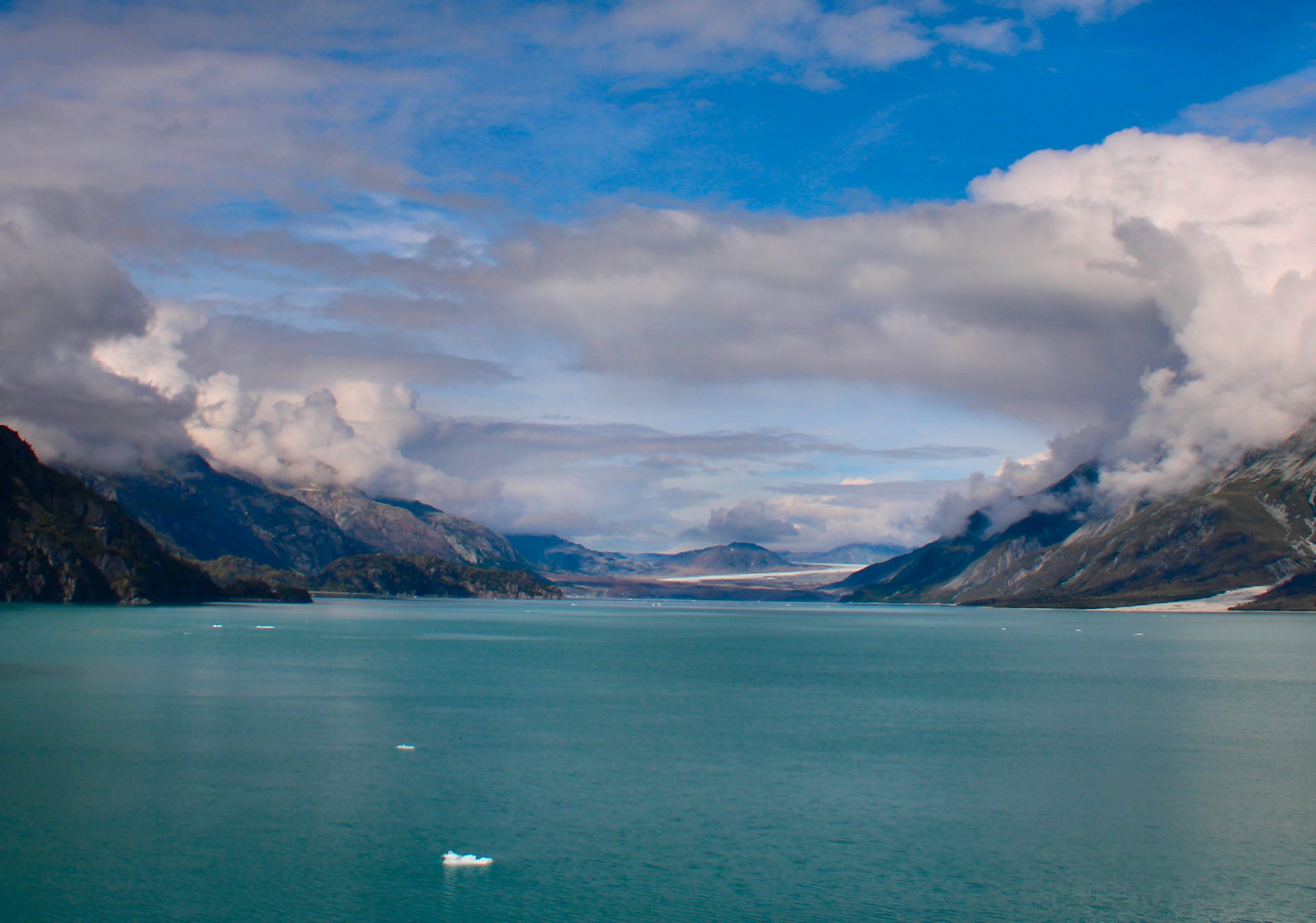
How to Capture Great Scenery Photographs
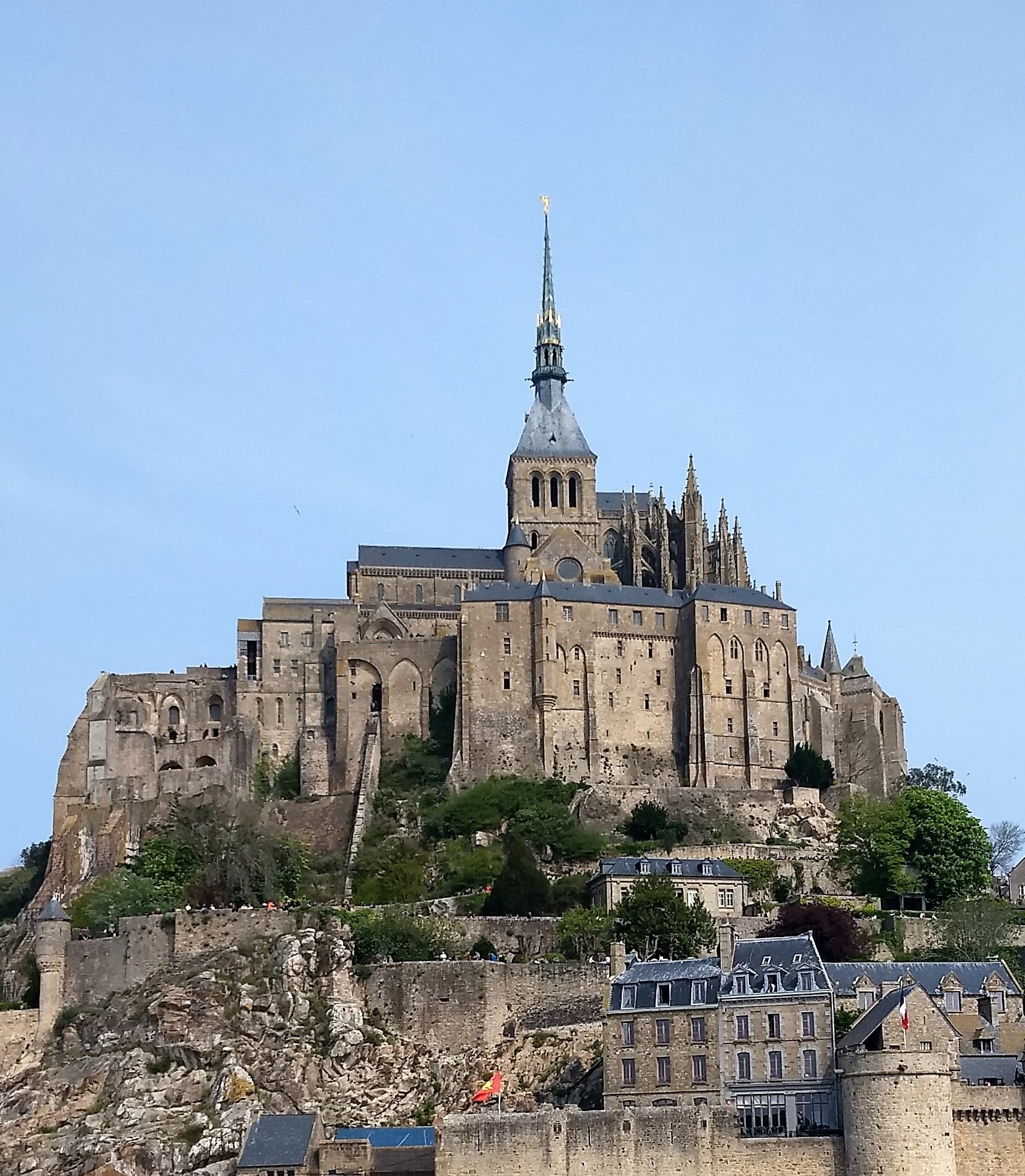
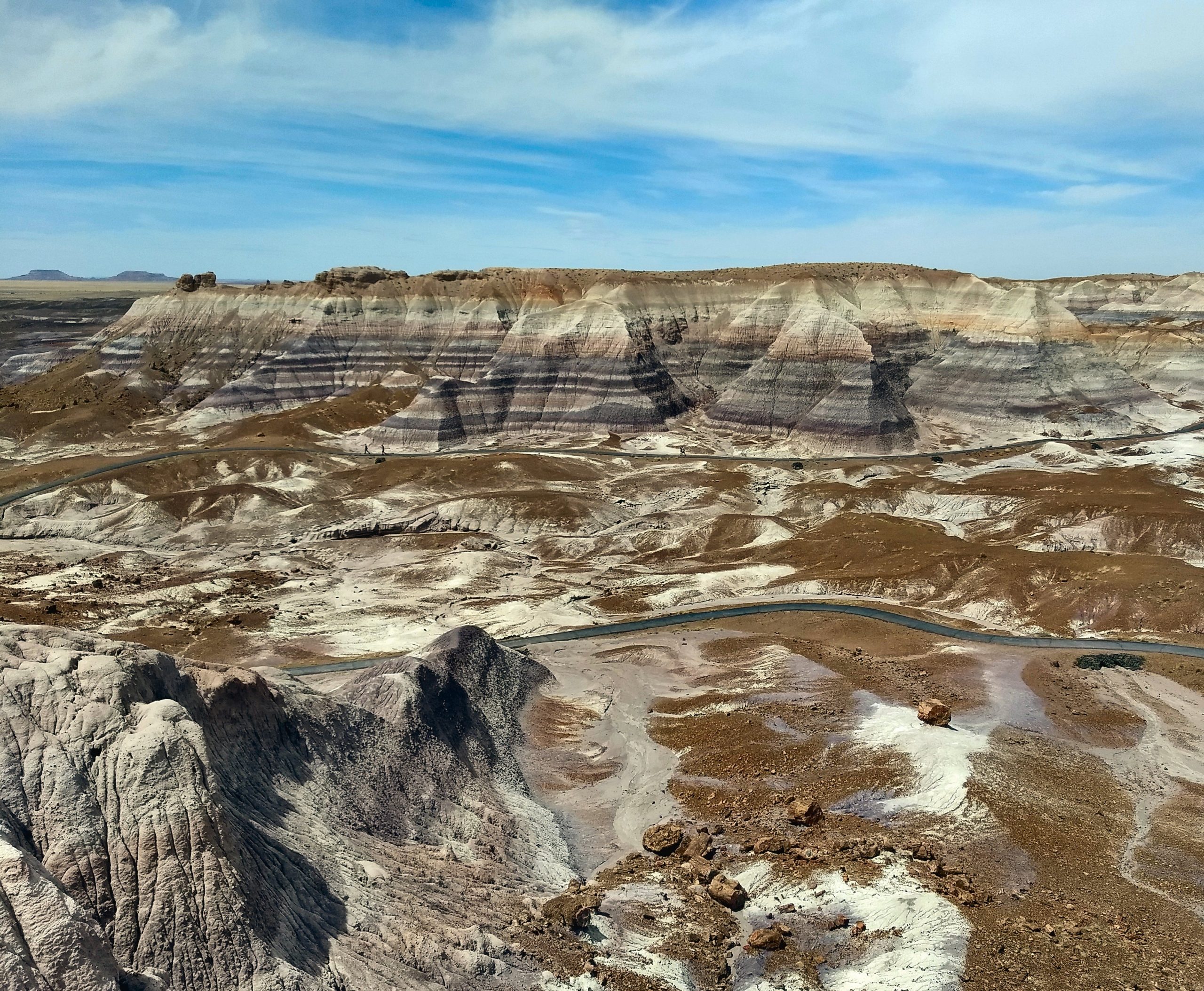
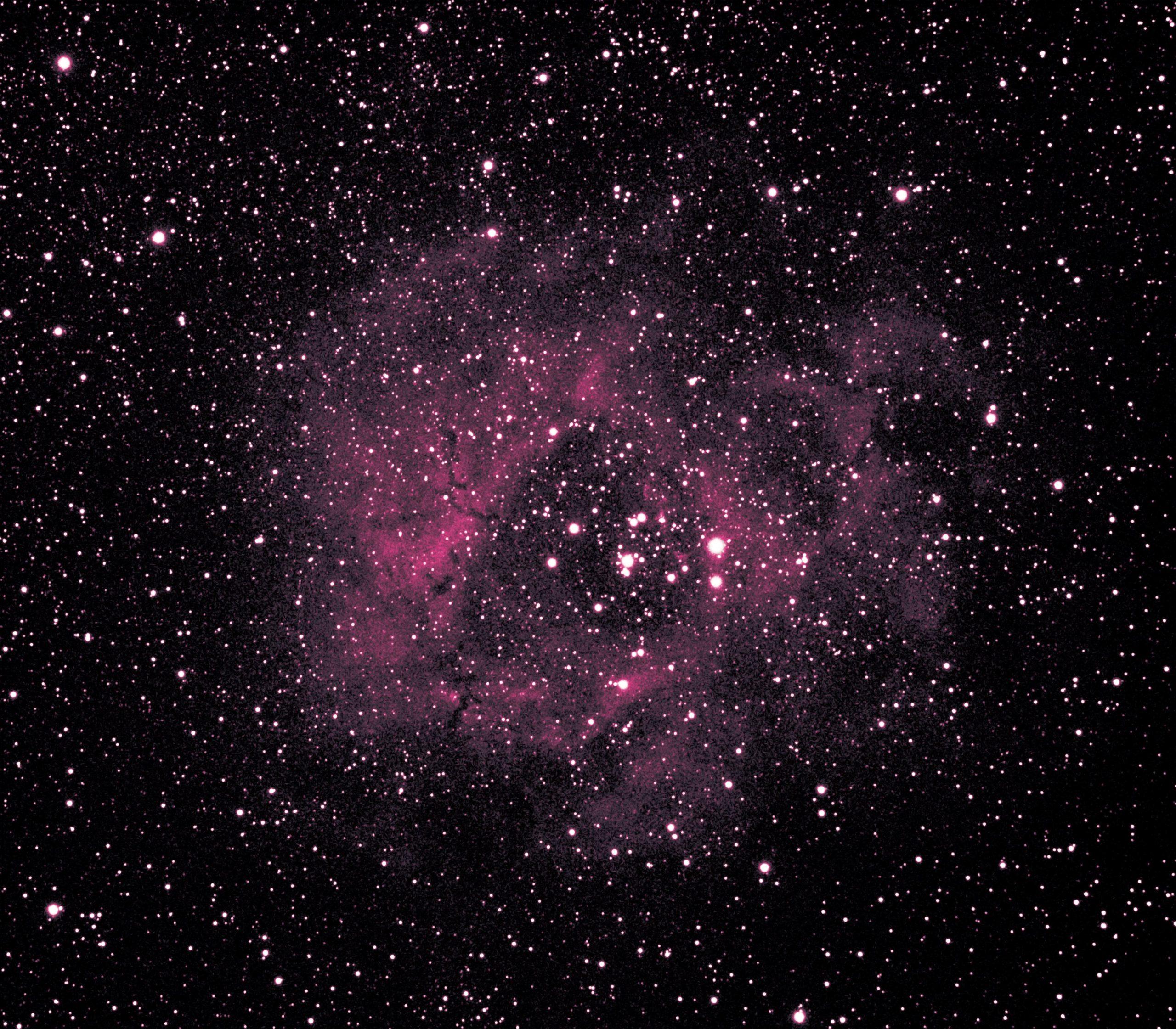
Capturing great scenery photographs is a rewarding experience that allows photographers to convey the beauty and majesty of the natural world. Whether you are an amateur enthusiast or a professional photographer, mastering the art of scenery photography involves a combination of technical skills, creative vision, and an understanding of natural elements. This comprehensive guide will provide you with essential tips and techniques to elevate your scenery photography.
Understanding Scenery Photography
Scenery photography encompasses capturing the beauty of landscapes, cityscapes, seascapes, and other expansive views. The goal is to transport viewers to these locations and evoke emotions through the imagery. Key elements often include mountains, forests, lakes, rivers, urban landscapes, and coastal scenes.
Essential Gear for Scenery Photography
To successfully capture stunning scenery photographs, having the right gear is crucial. Here is a list of essential equipment:
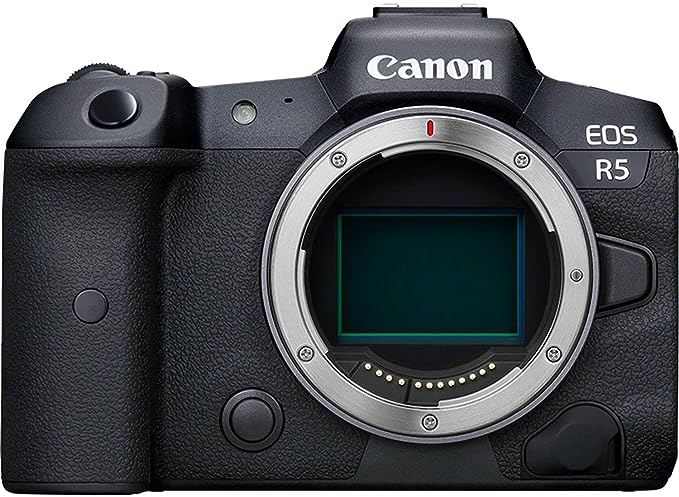
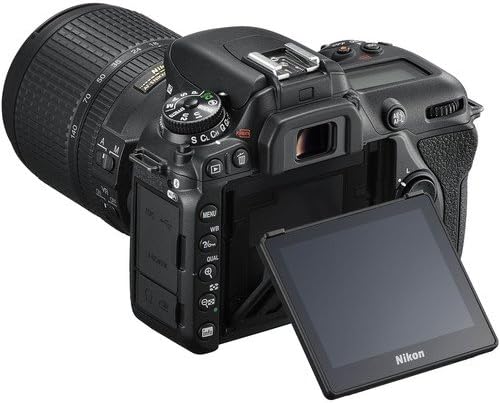
- Camera: A DSLR or mirrorless camera with manual settings is ideal for scenery photography. These cameras offer greater control over exposure, aperture, and shutter speed.
- Lenses: A wide-angle lens (10-24mm) is perfect for capturing expansive landscapes, while a telephoto lens (70-200mm) allows you to isolate specific elements and capture distant subjects.
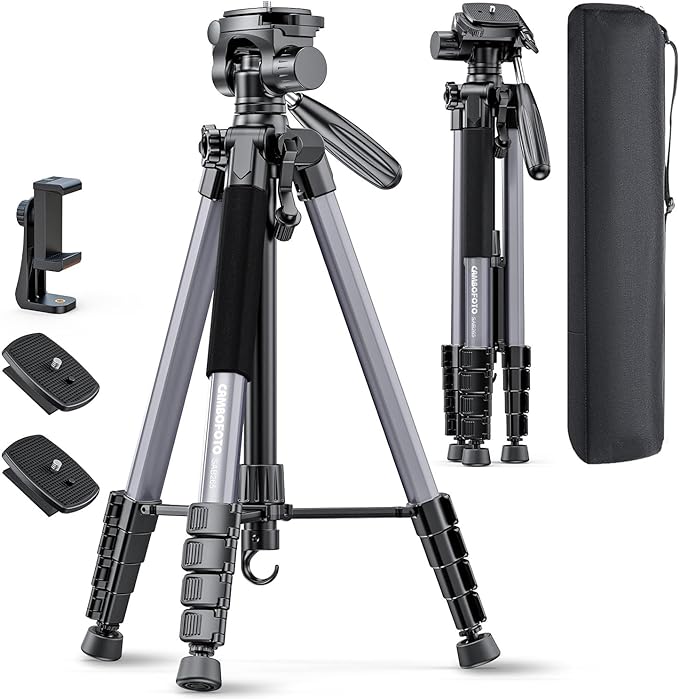
- Tripod: A sturdy tripod is essential for stabilizing your camera, especially during long exposure shots or in low-light conditions.
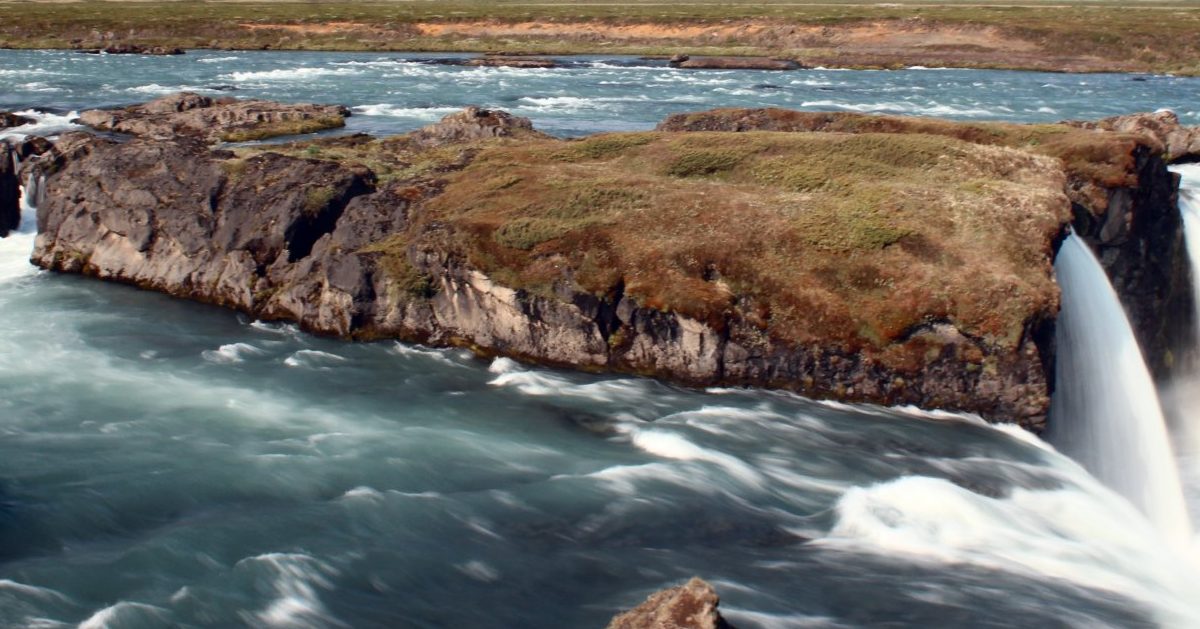
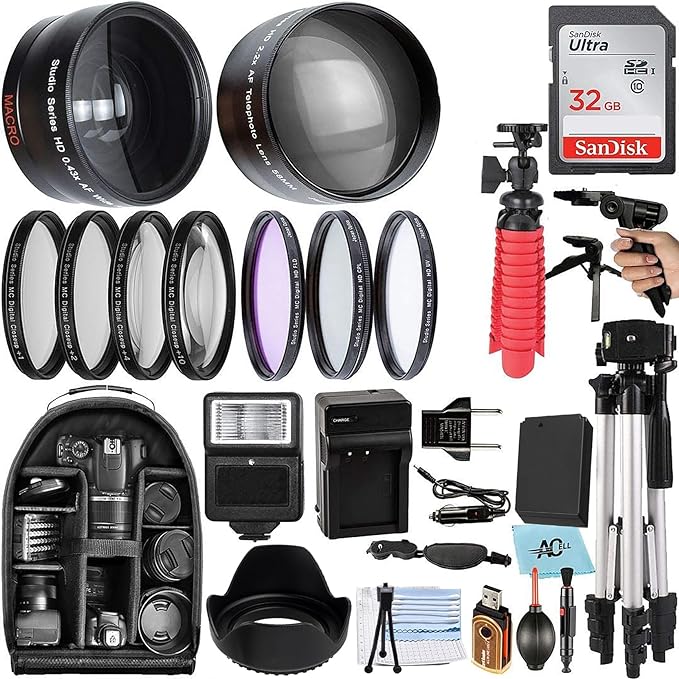
- Filters: Polarizing filters reduce glare and enhance colors, while neutral density (ND) filters allow for longer exposures, creating smooth water effects and motion blur.
- Remote Shutter Release: This accessory helps eliminate camera shake during long exposures.
- Backpack: A comfortable, durable backpack is necessary for carrying your gear, especially when hiking to remote locations.
- Protective Gear: Weatherproof clothing, sturdy hiking boots, and other protective gear ensure your safety and comfort in various environmental conditions.
Planning and Preparation
Successful scenery photography requires meticulous planning and preparation. Here are some steps to follow:
Research Your Location
Before heading out, research the location you plan to photograph. Understand the geography, weather patterns, and the best times to visit. Websites like National Park Service or AllTrails provide valuable information on trails, viewpoints, and current conditions.
Check the Weather
Weather plays a significant role in scenery photography. Use reliable weather apps to monitor forecasts and plan your shoot accordingly. Dramatic weather conditions, such as storms or fog, can add mood and drama to your photographs.
Scout the Location
If possible, visit your chosen location beforehand to scout potential spots. Note the direction of the light at different times of the day and identify key elements you want to include in your composition.
Pack Essentials
In addition to your photography gear, pack essentials such as food, water, a first aid kit, a map, and a compass or GPS device. Being prepared ensures your safety and allows you to focus on your photography.
Composition Techniques
Effective composition is key to capturing stunning scenery photographs. Here are some composition techniques to consider: For a much more thorough discussion of each of these composition techniques, check out this article
Rule of Thirds
The rule of thirds involves dividing your frame into a 3×3 grid and placing key elements along these lines or at their intersections. This creates a balanced and visually appealing composition. For a more in-depth discussion of the rule of thirds, click here.
Leading Lines
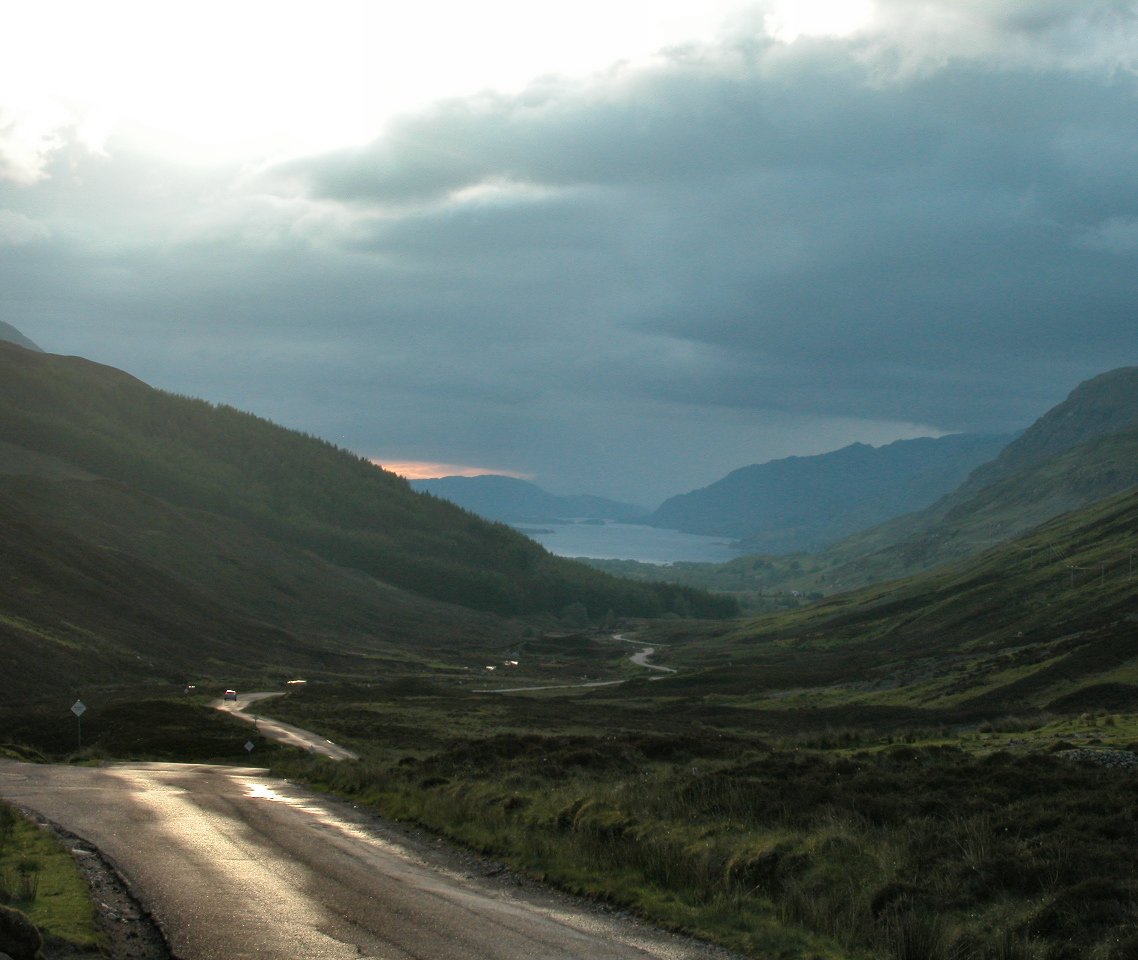
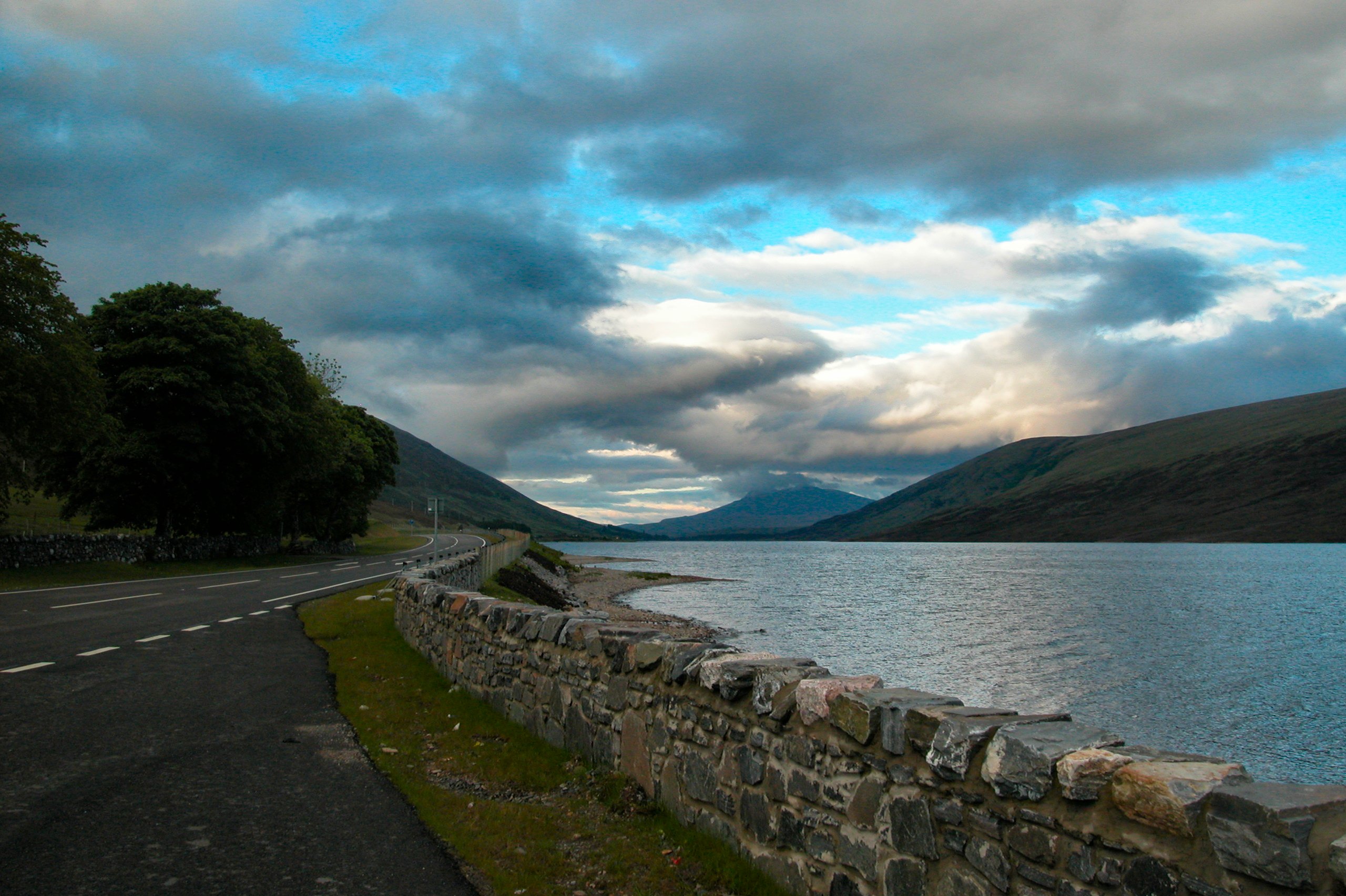
Leading lines guide the viewer’s eye through the photograph and can add depth and dimension. Natural elements such as rivers, trails, or roads make excellent leading lines. For a more in-depth discussion of how to use leading lines, click here.
Foreground Interest
Including interesting elements in the foreground adds depth and context to your photographs. Rocks, flowers, or architectural details can lead the viewer’s eye into the scene. For a more in-depth discussion of how to use foreground interest, click here.
Framing
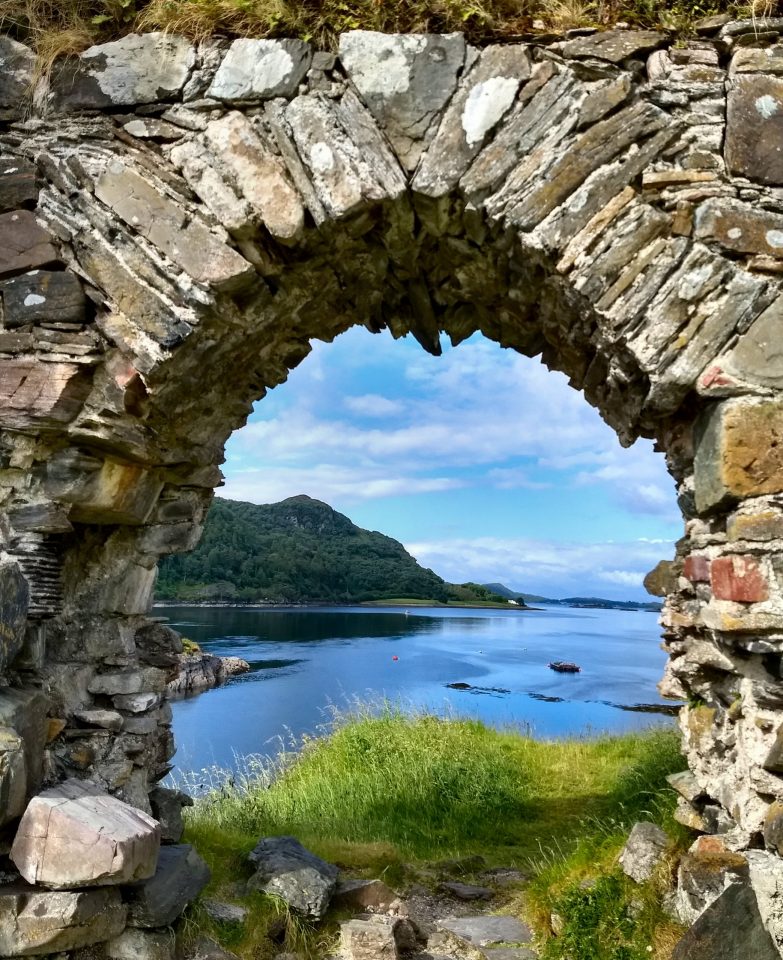
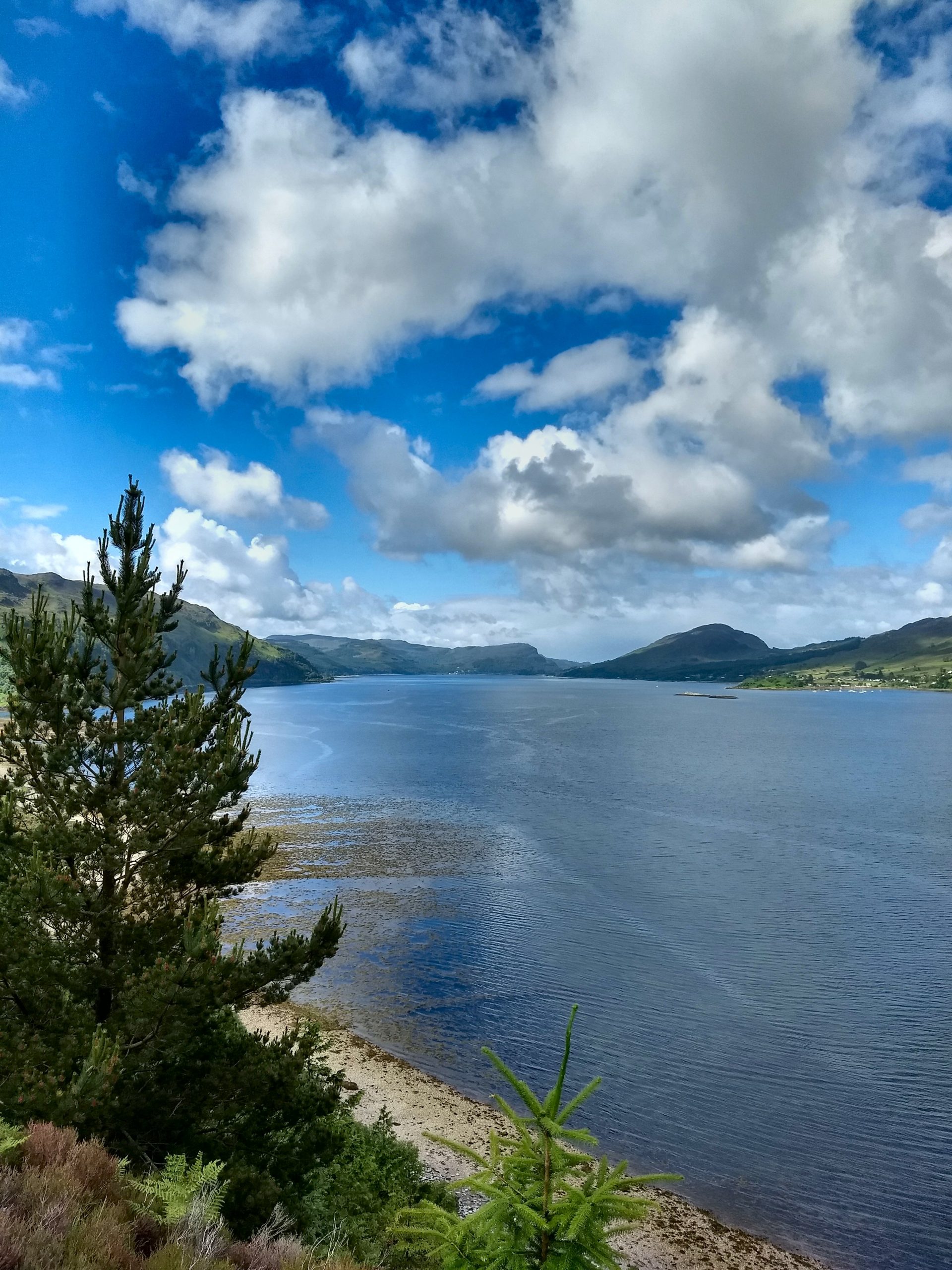
Use natural or man-made elements like trees, archways, or buildings to frame your subject. Framing adds context and focuses attention on the main subject. For a more in-depth discussion of how to frame your shot, click here.
Symmetry and Patterns
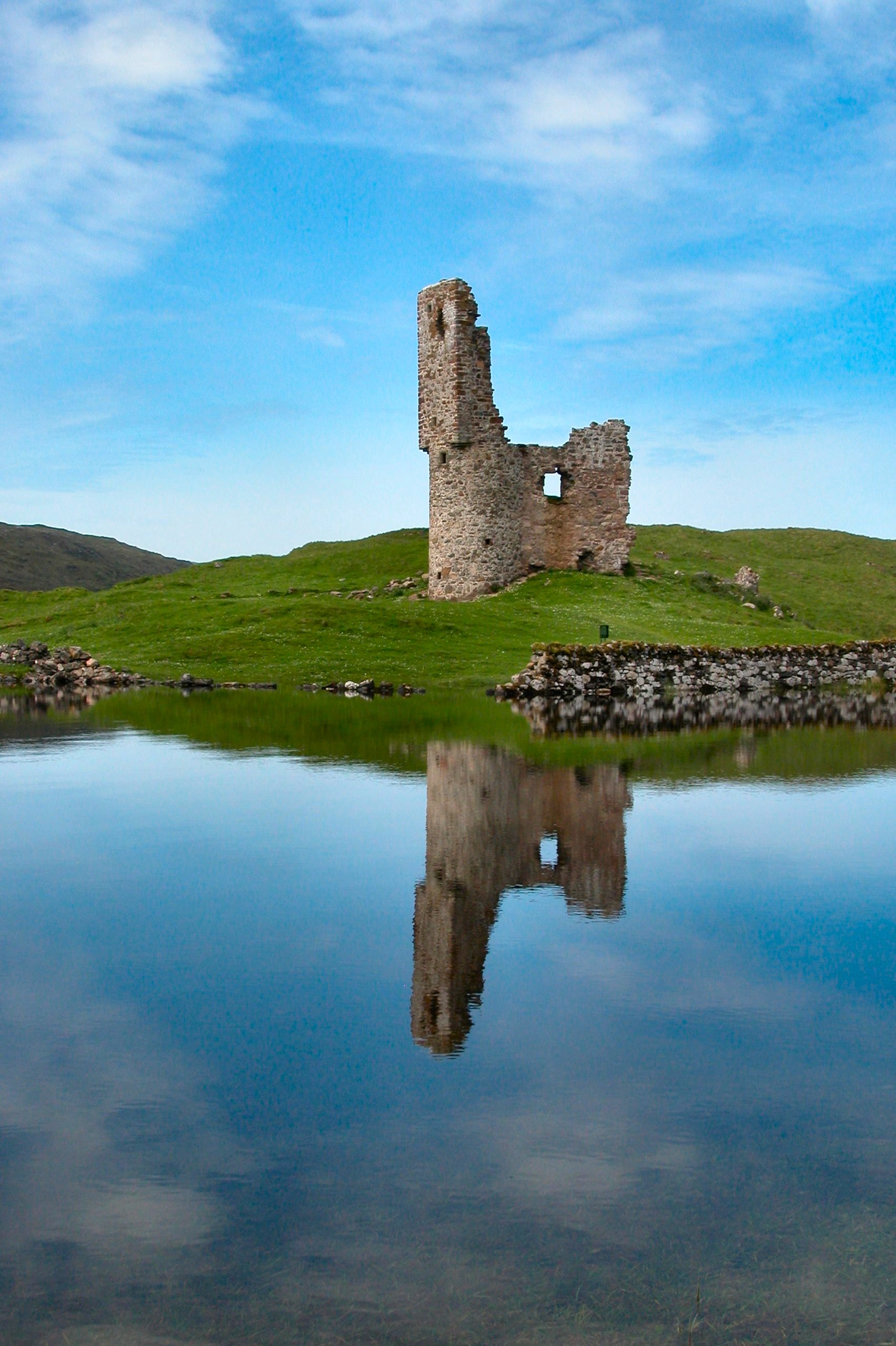
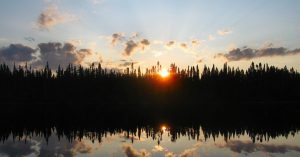
Symmetrical compositions and repeating patterns can create visually striking images. Look for reflections in water, rows of trees, or architectural patterns. For a more in-depth discussion of using symmetry and patterns, click here.
Scale and Perspective
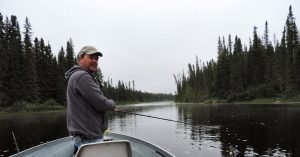
Including elements that provide a sense of scale, such as a person or an animal, can highlight the vastness of the scenery. Experiment with different perspectives, such as shooting from a low angle, to add a unique viewpoint. For a more in-depth discussion of using scale and perspective, click here for scale or click here for perspective.
Lighting Techniques
Lighting is a crucial element in scenery photography. Understanding how to work with natural light can dramatically enhance your images:
Golden Hour
The golden hour, shortly after sunrise and before sunset, provides soft, warm light that enhances colors and creates long shadows. This is often the best time for scenery photography.
Blue Hour
The blue hour, just before sunrise and after sunset, offers a cool, diffused light that can create moody and atmospheric images. This is an excellent time for capturing twilight scenes and reflections.
Midday Light
Midday light can be harsh and create strong contrasts. If shooting during this time, look for shaded areas or use a polarizing filter to reduce glare and enhance colors.
Backlighting
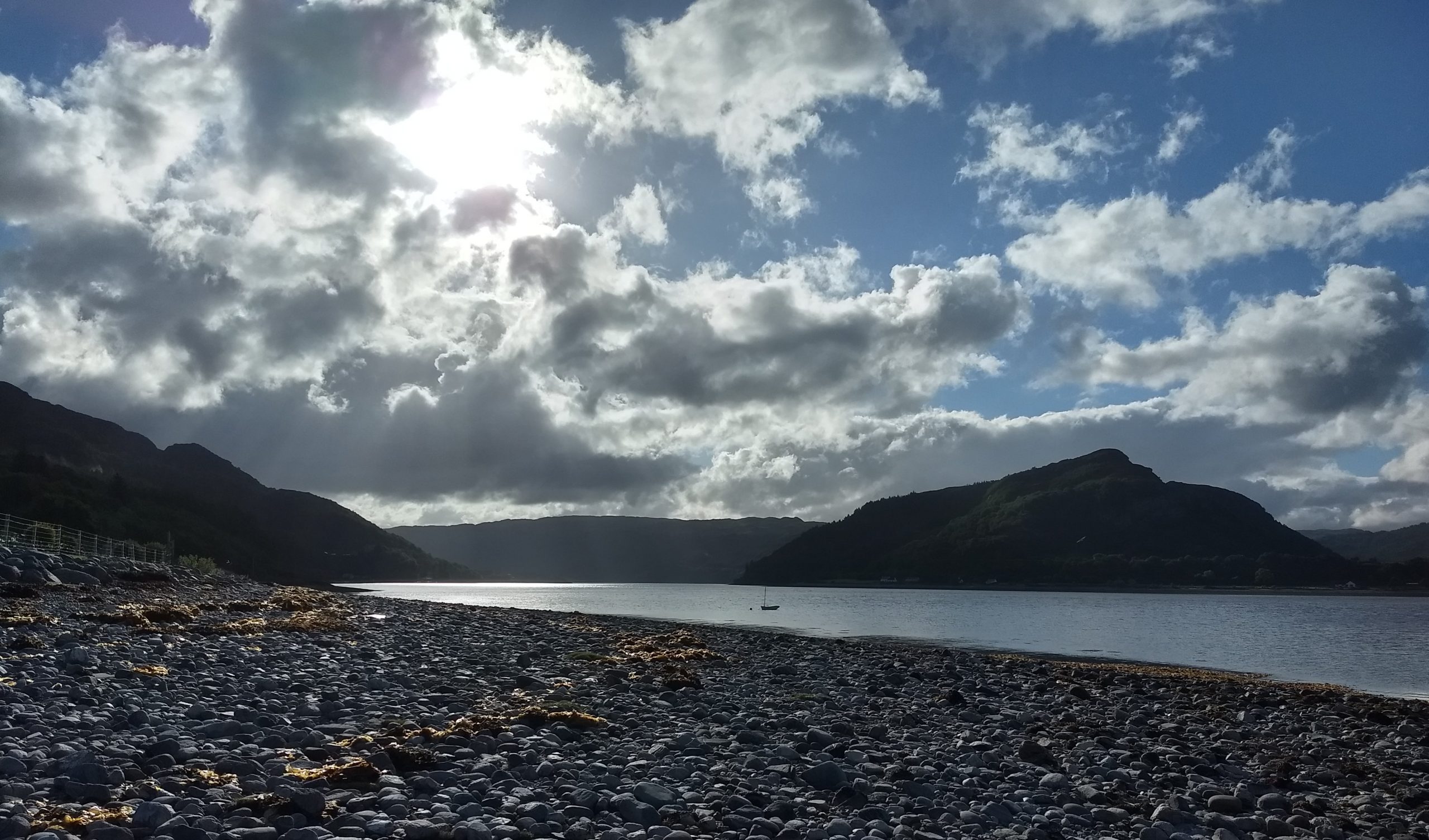
Backlighting occurs when the light source is behind your subject. This can create dramatic silhouettes and highlight the edges of your subject, adding depth and dimension.
Diffused Light
Overcast conditions provide soft, diffused light that reduces shadows and highlights. This is ideal for capturing details and textures in the landscape.
Mastering Exposure
Proper exposure is essential for capturing the full dynamic range of a scene. Here are some tips for achieving perfect exposure:
Use Manual Mode
Manual mode gives you full control over your camera settings, allowing you to adjust the exposure based on the scene’s requirements.
Understand the Exposure Triangle
The exposure triangle consists of aperture, shutter speed, and ISO. Understanding how these elements interact helps you achieve the desired exposure.
Bracketing
Bracketing involves taking multiple shots at different exposure levels. This technique is useful for high-contrast scenes and can be blended in post-processing to create a balanced exposure.
Histogram
The histogram is a graphical representation of the tonal values in your image. Use it to ensure your exposure is balanced and avoid clipping highlights or shadows.
Post-Processing Techniques
Post-processing is an essential part of scenery photography. Here are some techniques to enhance your images:
Raw Files
Shoot in RAW format to retain maximum detail and flexibility during post-processing.
Basic Adjustments
Start with basic adjustments such as exposure, contrast, and white balance. Use software like Adobe Lightroom or Photoshop for these edits.
Graduated Filters
Graduated filters in post-processing can balance the exposure between the sky and the foreground, enhancing the overall dynamic range.
Clarity and Texture
Adjust clarity and texture to enhance details and bring out the textures in the landscape.
Saturation and Vibrance
Increase saturation and vibrance to enhance colors, but avoid over-processing, which can make your images look unnatural.
Sharpening
Apply sharpening to enhance details, but be careful not to overdo it, as this can introduce noise.
Ethical Considerations
When practicing scenery photography, it is essential to respect the environment and adhere to ethical guidelines:
Leave No Trace
Follow the Leave No Trace principles to minimize your impact on the environment. Pack out all trash and avoid disturbing wildlife and vegetation.
Stay on Trails
Stick to designated trails to prevent damage to delicate ecosystems and reduce your environmental footprint.
Respect Wildlife
Maintain a safe distance from wildlife and use a telephoto lens to capture animals without disturbing them.
Be Considerate
Be considerate of other visitors and photographers. Share popular spots and avoid blocking viewpoints.
Challenges and How to Overcome Them
Scenery photography comes with its own set of challenges. Here are some common obstacles and how to overcome them:
Changing Weather
Weather conditions in outdoor locations can change rapidly. Be prepared with appropriate clothing and gear, and have a backup plan in case conditions become unfavorable.
Physical Demands
Hiking to remote locations can be physically demanding. Stay fit, pace yourself, and know your limits to avoid exhaustion or injury.
Limited Connectivity
In remote areas, you may not have cell service or internet access. Carry a map and compass, and inform someone of your plans before heading out.
Patience and Persistence
Capturing the perfect shot often requires patience and persistence. Be prepared to wait for the right light or weather conditions and revisit locations if necessary.
Tips for Capturing Specific Types of Scenery
Different types of scenery present unique challenges and opportunities. Here are some tips for capturing specific types of scenery:
Mountain Scenery
- Use a wide-angle lens to capture the grandeur and scale of the mountains.
- Include foreground interest such as rocks, trees, or wildflowers to add depth to your composition.
- Photograph during the golden hour to enhance the textures and colors of the mountains.
- Look for leading lines such as trails or rivers that guide the viewer’s eye towards the peaks.
Coastal Scenery
- Use a polarizing filter to reduce glare and enhance the colors of the water and sky.
- Capture motion blur in the waves by using a slow shutter speed.
- Photograph during the blue hour to capture the serene and mystical atmosphere of the coast.
- Include foreground elements such as rocks or driftwood to add interest and depth.
Urban Scenery
- Look for unique perspectives and angles to capture the essence of the city.
- Use leading lines such as streets, bridges, or architectural features to guide the viewer’s eye.
- Photograph during the golden hour to capture the warm light and long shadows that enhance the urban landscape.
- Capture reflections in glass buildings or water to add an extra dimension to your photographs.
Forest Scenery
- Use a wide-angle lens to capture the vastness and density of the forest.
- Photograph during overcast conditions to reduce harsh shadows and highlights.
- Look for patterns and textures in the trees, leaves, and forest floor.
- Incorporate mist or fog if available, as it can add a mystical and ethereal quality to your photographs.
Conclusion
Scenery photography is a captivating and fulfilling genre that allows photographers to connect with nature and share its beauty with others. By understanding the essential gear, planning your shoots, mastering composition and lighting techniques, and post-processing your images, you can capture breathtaking scenery photographs that resonate with viewers. Remember to respect the environment and practice ethical photography to preserve these stunning landscapes for future generations. With patience, persistence, and creativity, your scenery photography will reach new heights.